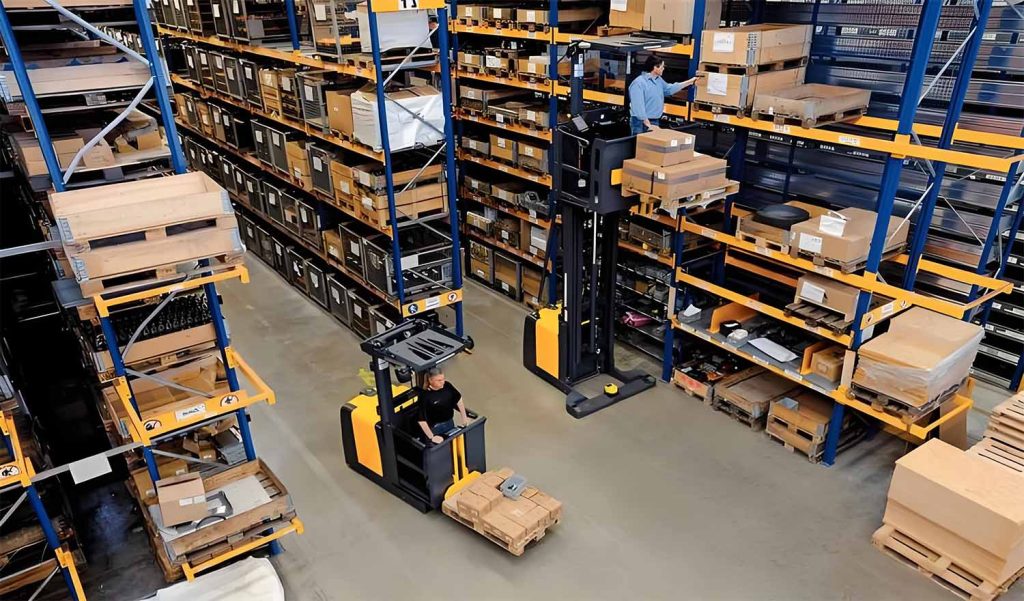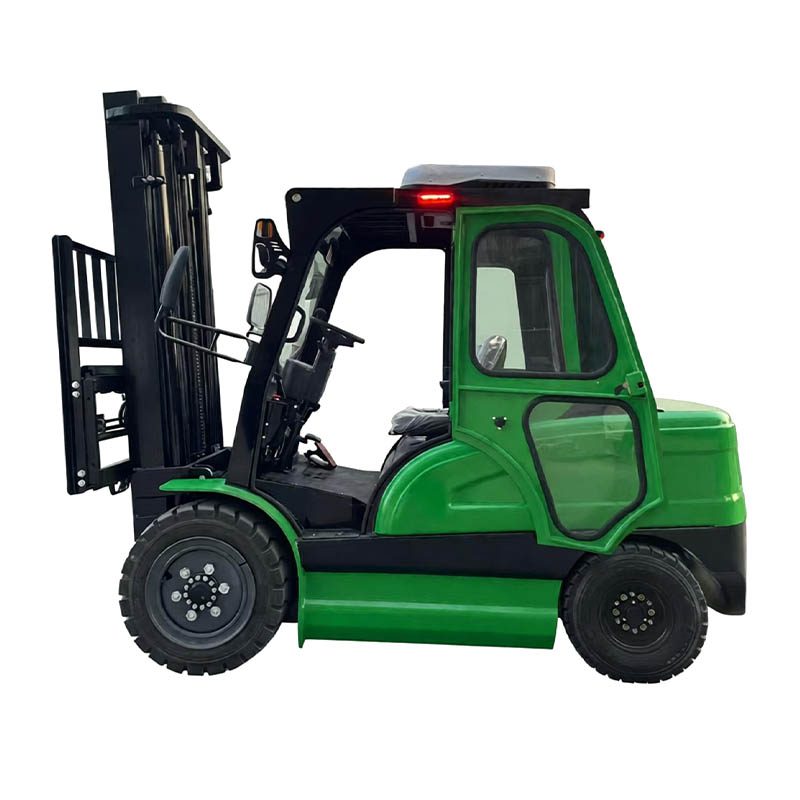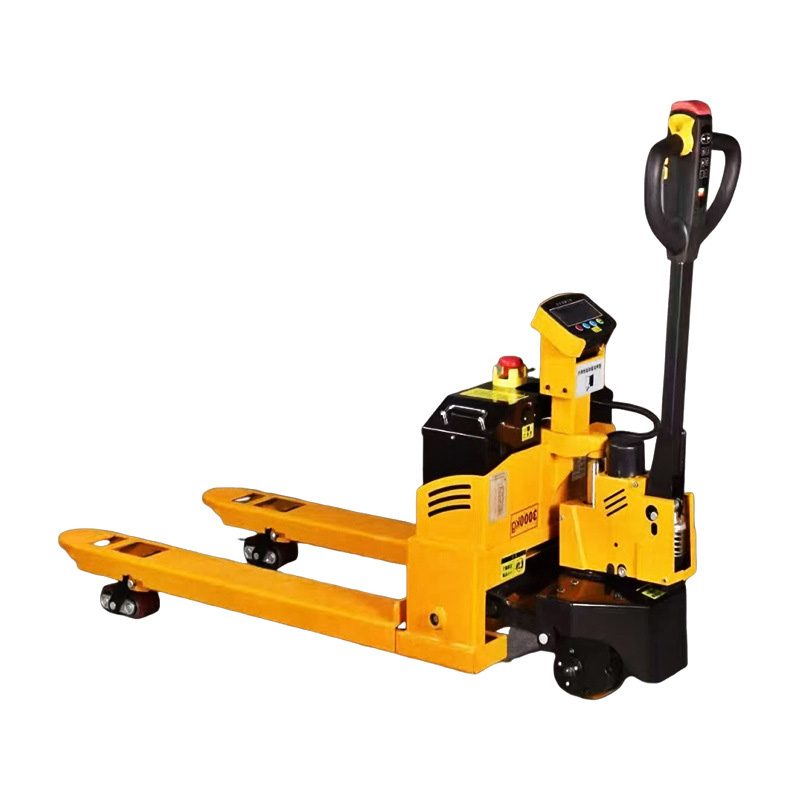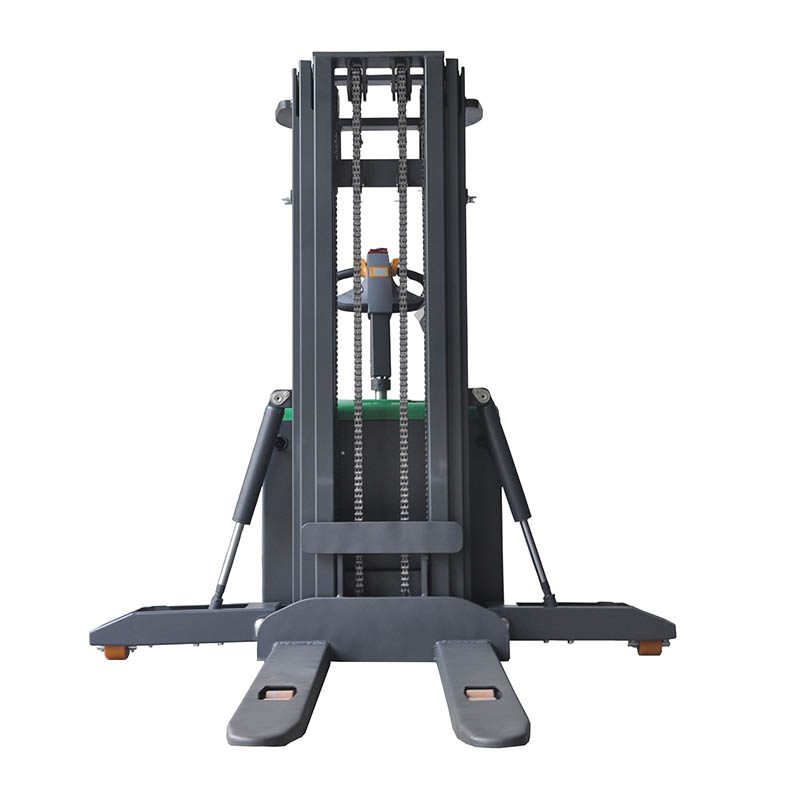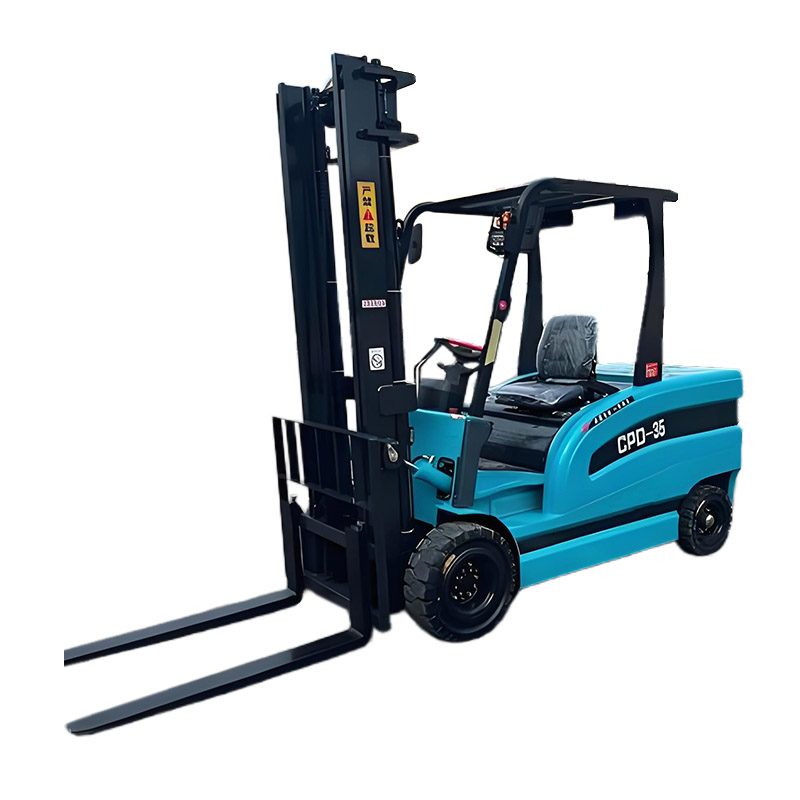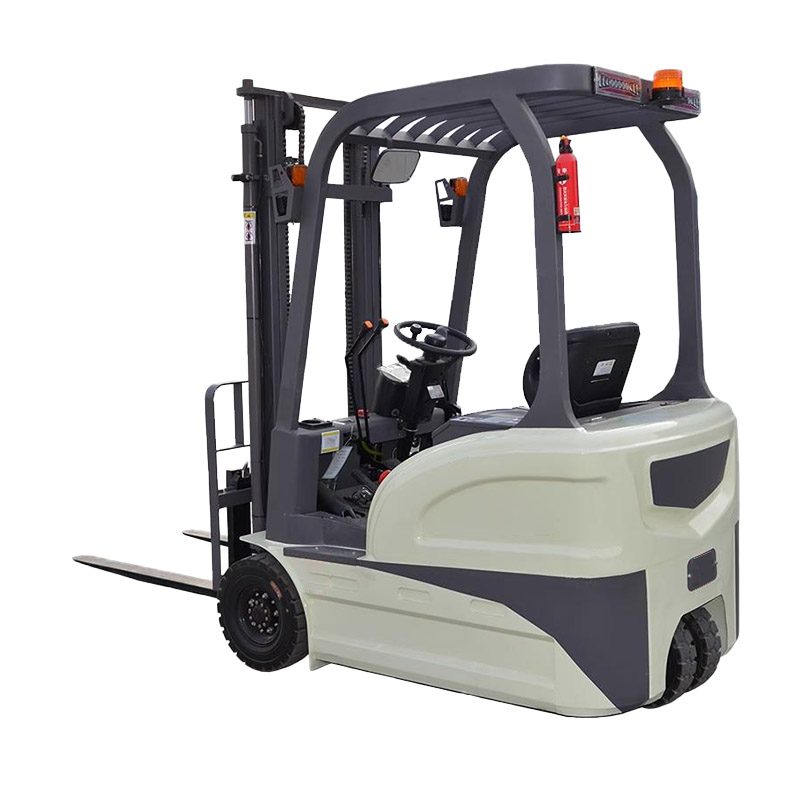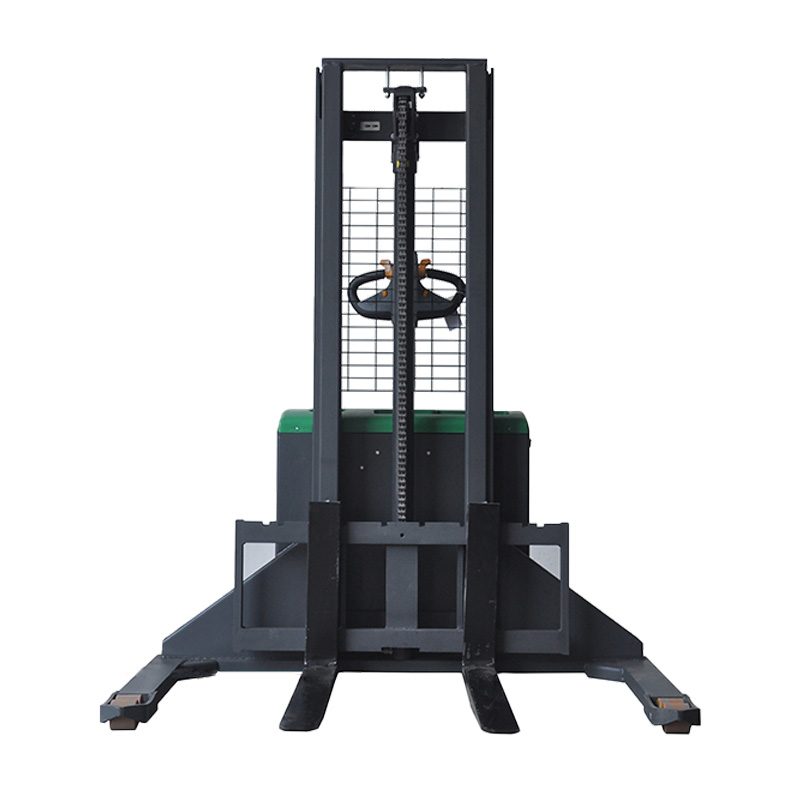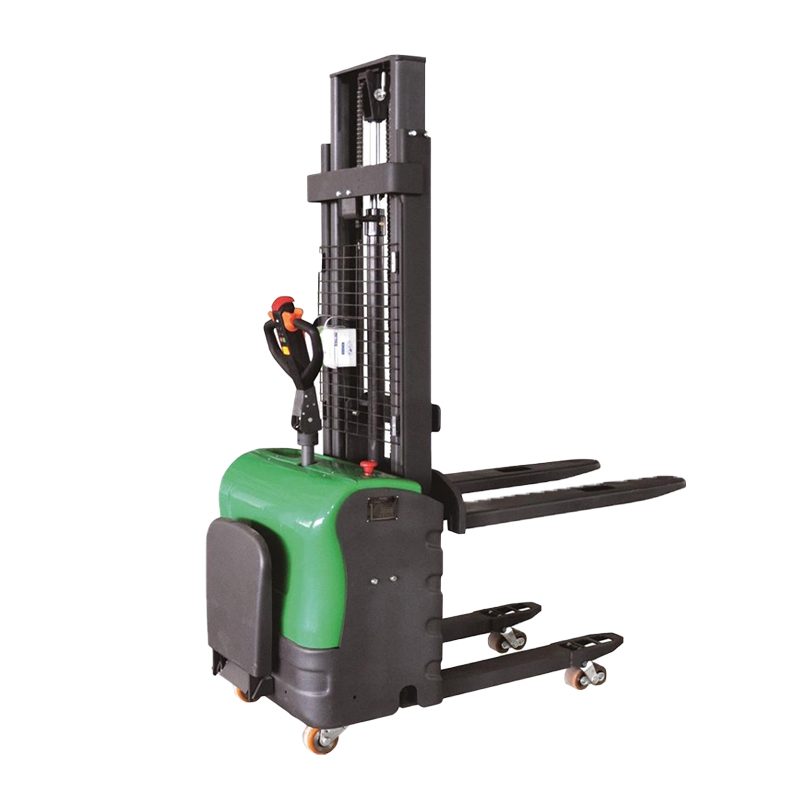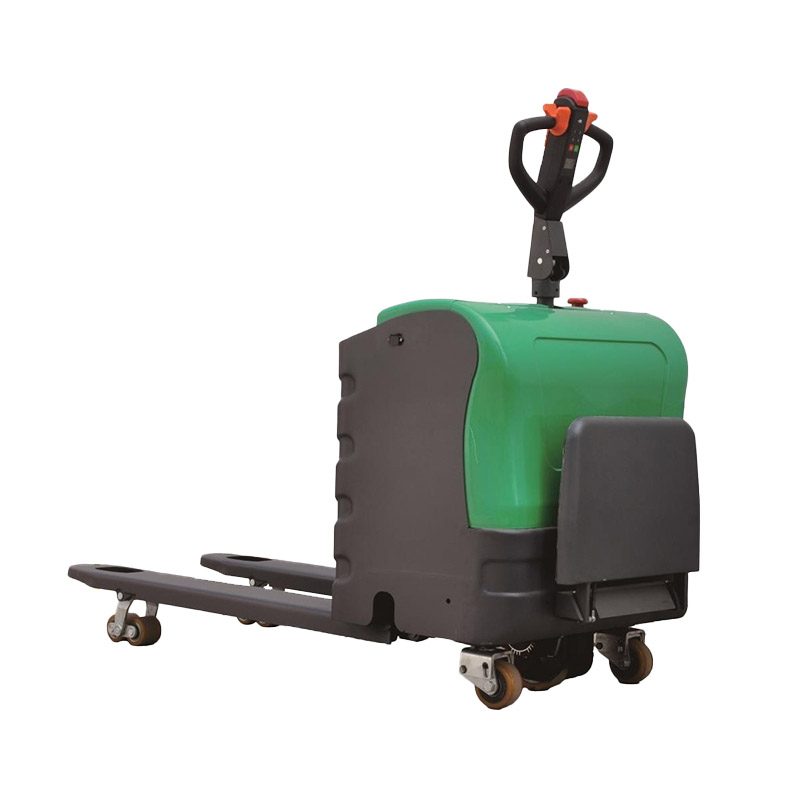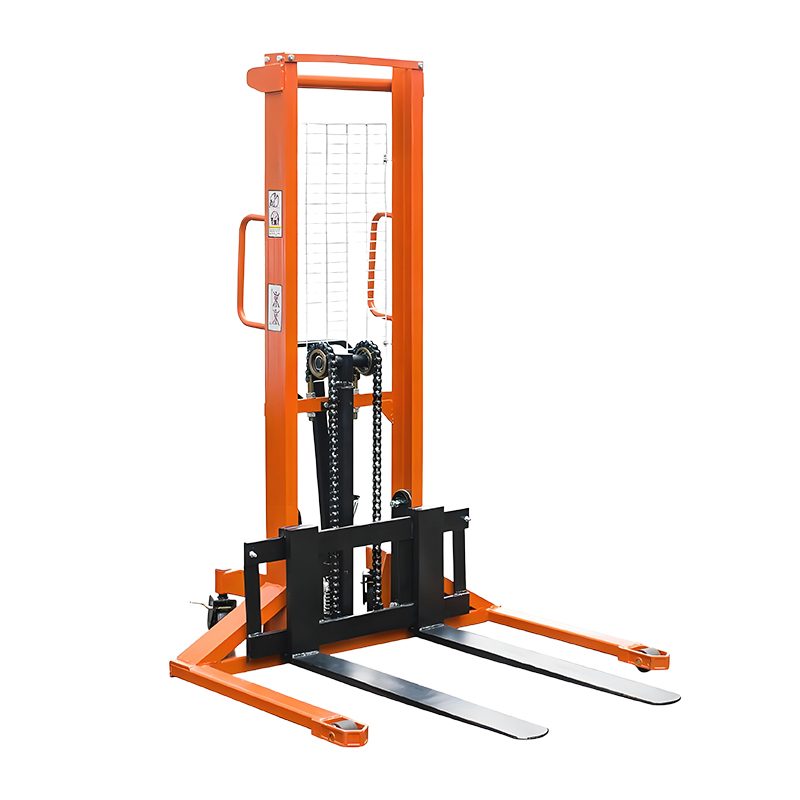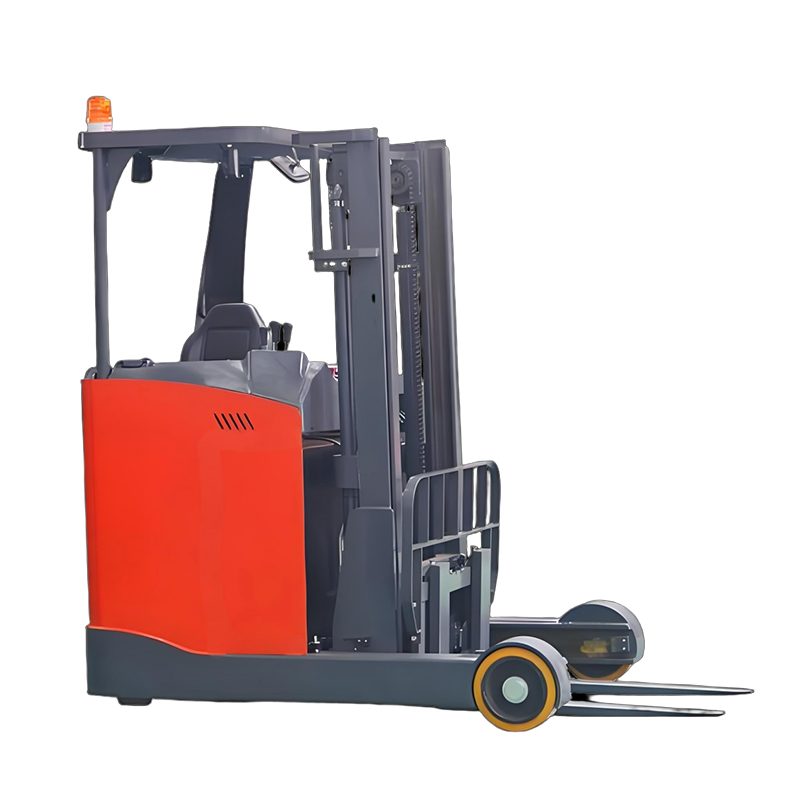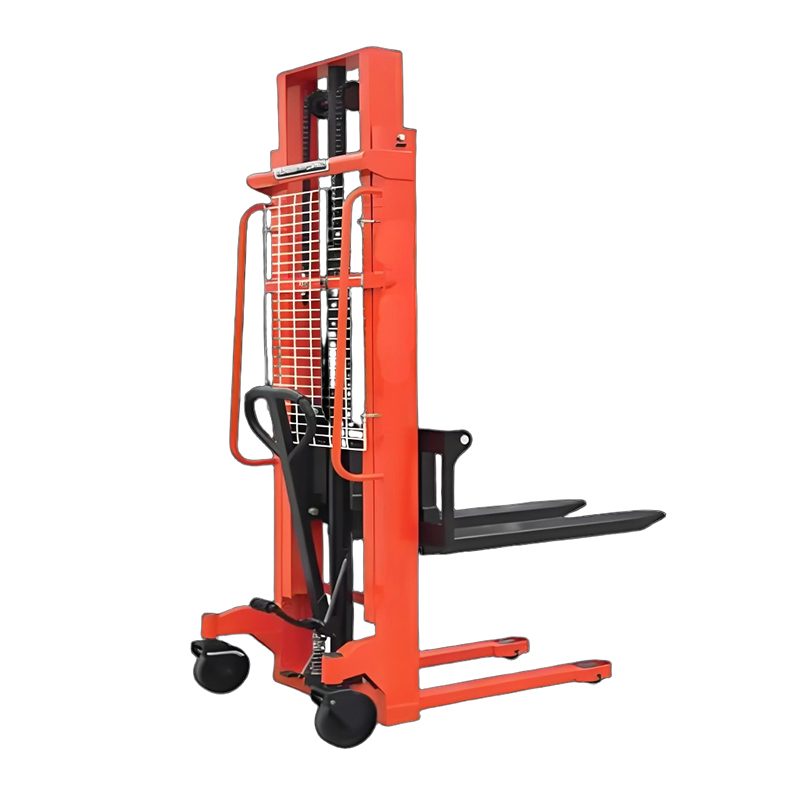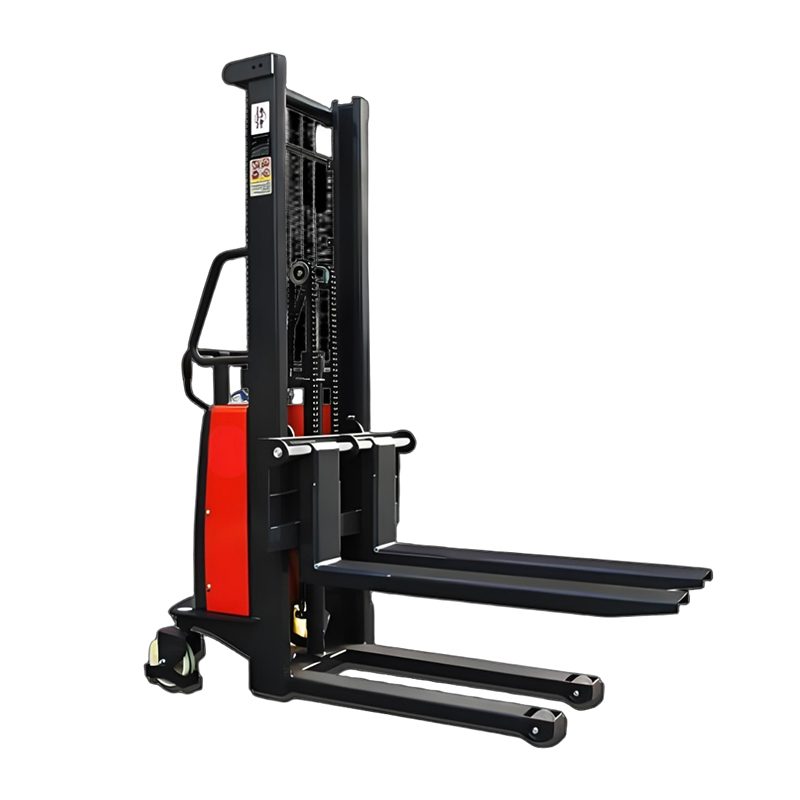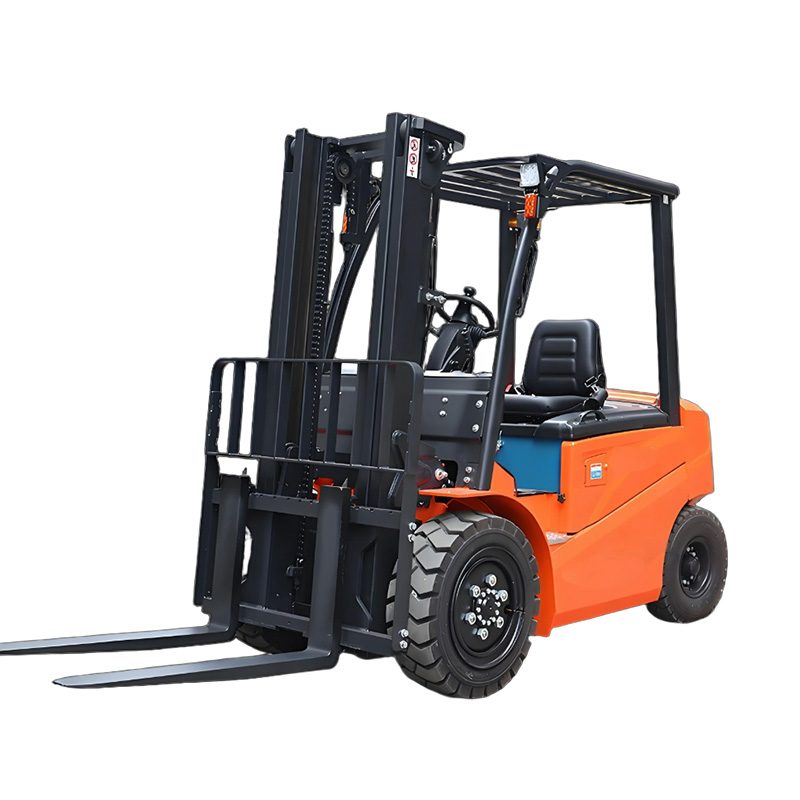
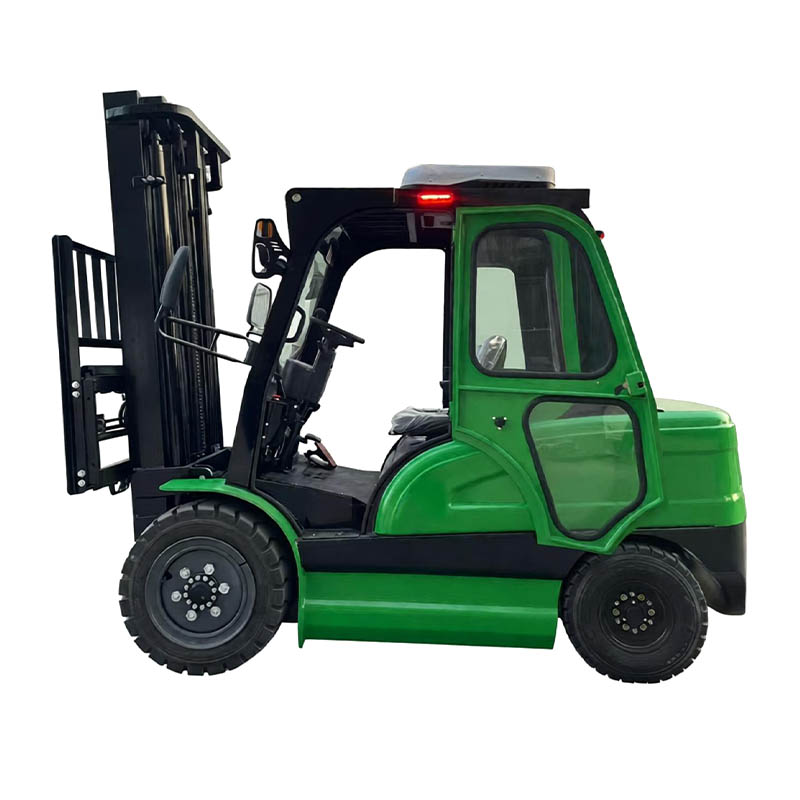
Electric forklifts are widely used in warehouses, factories, and logistics centers due to their low noise, zero emissions, and high efficiency. However, battery failures, steering problems, and hydraulic leaks remain the most common causes of downtime, unexpected repair costs, and safety risks.
Based on field service experience and industry standards, this guide focuses on the three most failure-prone systems and provides a clear “Symptoms → Diagnosis → Action → Prevention” workflow. It is written from a maintenance engineer’s perspective, helping technicians, fleet managers, and equipment owners troubleshoot problems quickly and accurately.
Safety First (Before Any Troubleshooting)
Before inspecting or repairing an electric forklift, always follow these basic safety steps:
- Park the forklift on level ground and fully lower the forks
- Switch off the power and remove the key
- Place a visible “Out of Service / Under Maintenance” warning tag
⚠️ Important: For 48V and higher electrical systems, battery removal, or hydraulic disassembly, only trained and certified personnel should perform the work.
Electric Forklift Battery Issues
Quick Diagnosis
If operating time drops by more than 30% under the same workload, the issue is usually battery imbalance or internal degradation—not normal aging.
Common Symptoms, Causes, and Actions
| Symptom | Likely Cause | Recommended Action |
|---|---|---|
| Forklift will not start, no display | Main circuit open or deep discharge | Check main power circuit and total voltage |
| Runtime significantly reduced | Battery cell imbalance or aging | Measure individual cell voltage |
| Charger trips or charges slowly | High internal resistance | Perform capacity and internal resistance test |
| Battery swelling, leakage, odor | Overcharge or internal damage | Stop use immediately and replace battery |
Diagnostic Procedure
- Basic checks
- Cross-check using a known-good charger of the same specification
- Clean battery terminals and charging connectors
- Eliminate false “no power” caused by deep discharge protection
- Cell-level testing (critical)
- Voltage difference: Adjacent cells > 0.2 V indicates imbalance
- Capacity test: Capacity < 70% of rated value indicates end-of-life
- Insulation test: Insulation resistance < 0.5 MΩ indicates leakage risk
- Service life assessment
- Lead-acid batteries typically reach replacement stage after 800–1200 cycles
- Calendar age alone should not be the only replacement criterion
Preventive Maintenance Tips
- Operate within the 20%–80% state-of-charge range when possible
- Clean battery surfaces monthly and apply anti-corrosion grease to terminals
- For long-term storage, keep battery above 50% SOC and recharge every 30 days
- Never mix batteries or chargers of different voltages or capacities
Steering Problems in Electric Forklifts
Quick Diagnosis
Heavy steering combined with abnormal hydraulic oil loss usually points to a hydraulic steering issue rather than mechanical linkage failure.
Common Symptoms, Causes, and Actions
| Symptom | Likely Cause | Recommended Action |
|---|---|---|
| Steering feels heavy | Low oil level or worn pump | Check oil level and system pressure |
| Abnormal steering noise | Pump wear or bearing lubrication failure | Inspect pump and lubricate components |
| Poor self-centering | Worn tie rods or ball joints | Measure clearance and replace parts |
| Oil level keeps dropping | Hose or fitting leakage | Locate leak and repair immediately |
Diagnostic Procedure
- Hydraulic oil inspection
- Oil level should remain between MIN and MAX marks
- Dark oil or metal particles require immediate replacement
- Recommended oil: ISO VG 46 anti-wear hydraulic oil
- Mechanical component inspection
- Tie rod ball joint radial clearance > 0.5 mm requires replacement
- Ensure steering axle bearings are properly lubricated
- Power steering pump testing
- Normal system pressure: 7–9 MPa
- Pressure below 80% of rated value indicates pump efficiency loss
- Listen for abnormal noise and check belt tension (if applicable)
Preventive Maintenance Tips
- Inspect hydraulic oil level every 250 operating hours
- Replace hydraulic oil and filter every 1000 hours or annually
- Avoid aggressive steering under full load conditions
Forklift Hydraulic Leak and Lifting Problems
Quick Diagnosis
If hydraulic oil consumption increases noticeably, there is almost always an active leak somewhere in the system.
Common Symptoms, Causes, and Actions
| Symptom | Likely Cause | Recommended Action |
|---|---|---|
| Slow lifting or lowering | Low system pressure or valve malfunction | Measure pressure and inspect control valves |
| Weak mast tilt | Cylinder seal wear | Inspect cylinder and replace seals |
| Oil stains on floor or components | Hose or fitting leakage | Locate leak point and replace hose/fitting |
| Frequent oil top-ups | Continuous internal or external leakage | Perform full leak inspection |
Diagnostic Procedure
- Leak detection methods
- Visual inspection: Clean surfaces and operate lift 3–5 cycles
- Fluorescent dye method: Use UV dye for precise leak identification
- Corrective actions
- Fittings: Retighten to manufacturer torque, replace aged O-rings
- Hoses: Replace immediately if cracks, bulges, or exposed wire are found
- Cylinders: Rod scratches > 0.1 mm require repair or replacement
- Valves: Working pressure < 80% of rated value indicates valve issues
Preventive Maintenance Tips
- Inspect seals quarterly for hardness changes and aging
- Keep loads centered and avoid long-term offset loading (>5% rated capacity)
- Replace return filters regularly (recommended filtration: 10 μm)
Repair or Replace? A Quick Decision Guide
| Condition | Recommendation |
|---|---|
| Single repair cost exceeds 30% of forklift residual value | Replace |
| Same system fails twice within 6 months | Replace |
| Component near end of design life | Replace |
| Minor, low-cost, non-recurring issue | Repair |
Making the right repair-versus-replace decision can significantly reduce long-term downtime and maintenance costs.
Frequently Asked Questions (FAQ)
Q1: How often should an electric forklift battery be replaced?
A: Typically after 800–1200 charge cycles or when usable capacity drops below 70% of the rated value.
Q2: How often should forklift hydraulic oil be changed?
A: First change after 250 hours, then every 1000 hours or once per year, whichever comes first.
Q3: Does heavy steering always mean the steering pump is faulty?
A: No. Oil level, filters, and belt tension should be checked before testing pump output pressure.
Q4: Can I replace an electric forklift battery myself?
A: For 48V and higher systems, battery replacement should be performed by qualified technicians due to electrical safety risks.
Disclaimer
This article is intended as a general technical reference. Always follow the official service manual for the specific forklift brand and model. For complex faults or uncertain conditions, consult qualified service professionals to ensure safety and prevent secondary damage.
Contact Us Today!
📧 Email: info@lesougoods.com
📱 WhatsApp / WeChat: +86 185 3113 1986
We are always online and guarantee a response within 24 hours with a model recommendation and a clear shipping solution.
Get Quality Product Information
We offer rigorously selected forklift products, all equipment meets international quality standards.